How to build a machine-readable agent skills index
A practical guide for teams using Claude Code, OpenClaw skills, and agent libraries to publish a crawlable skills index that AI assistants can understand and cite.
A practical guide for teams using Claude Code, OpenClaw skills, and agent libraries to publish a crawlable skills index that AI assistants can understand and cite.
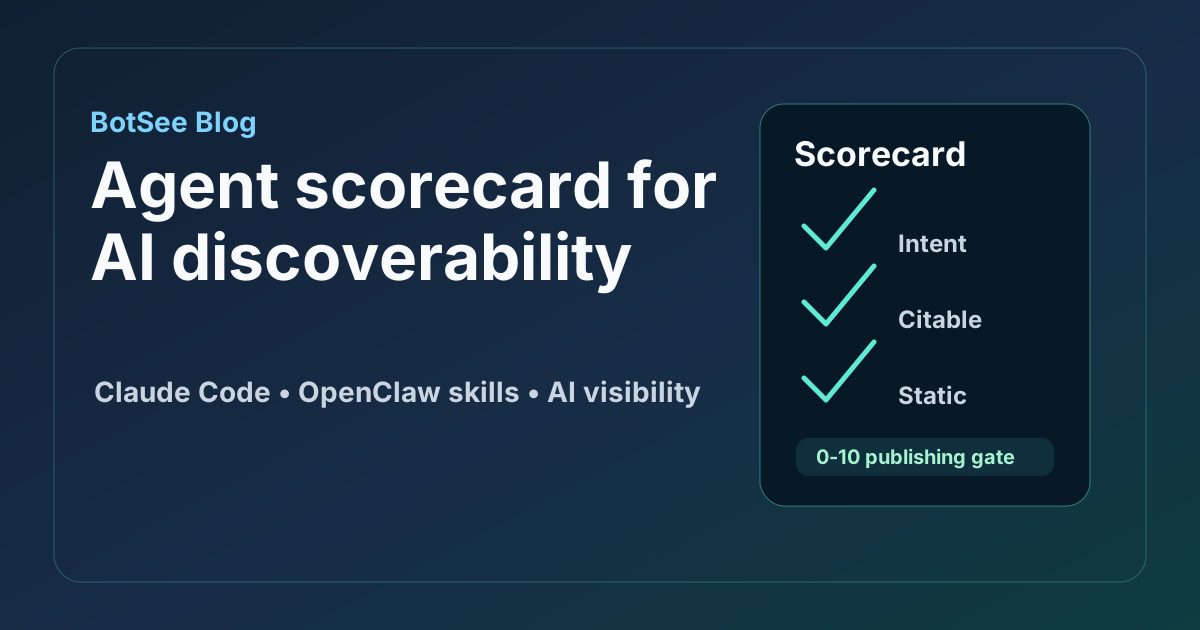
Use an agent scorecard to connect Claude Code and OpenClaw workflow quality with AI discoverability, citation readiness, and practical publishing decisions.
A practical guide to tracking whether AI answer engines cite current Claude Code and OpenClaw skill documentation instead of stale runbooks, old changelogs, or missing pages.
A practical guide for Claude Code and OpenClaw teams that want agent skills, runbooks, and docs to keep showing up in AI answers after frequent releases.
Learn how to make Claude Code, OpenClaw skills, and agent libraries easier for AI answer engines to understand and cite without creating duplicate content sprawl.
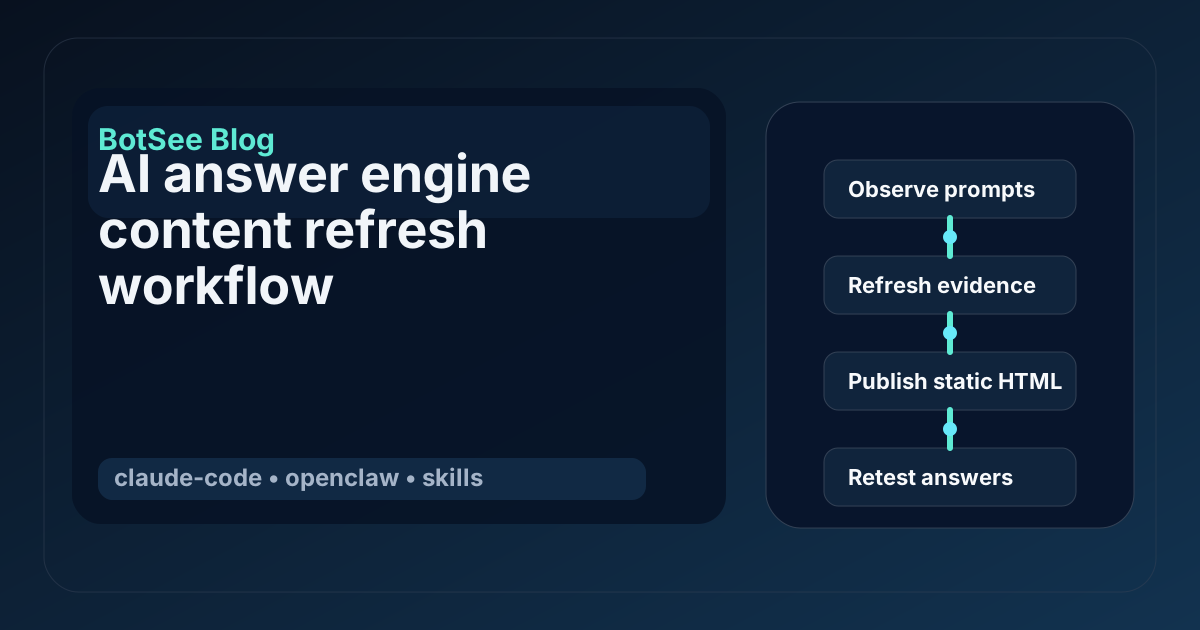
Learn how agent teams can find citation drift, prioritize content refreshes, and use Claude Code plus OpenClaw skills to keep useful pages visible in AI answers.
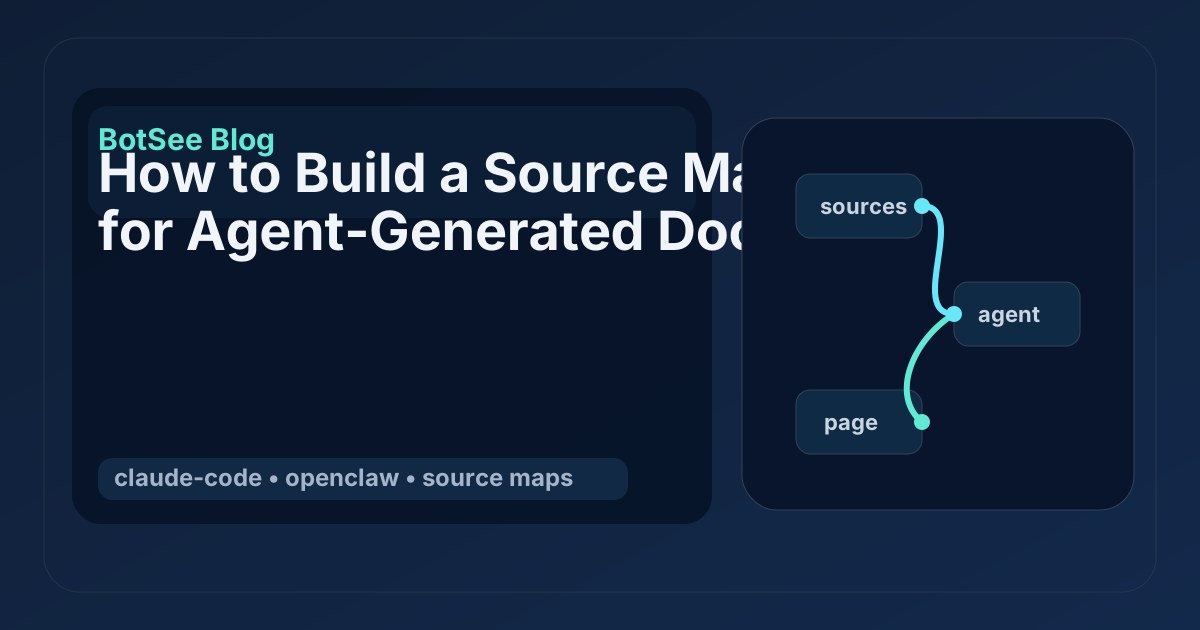
Agent-generated docs are faster to ship, but speed creates a trust problem. A source map shows where each claim came from, who owns it, and whether AI answer engines can cite it.
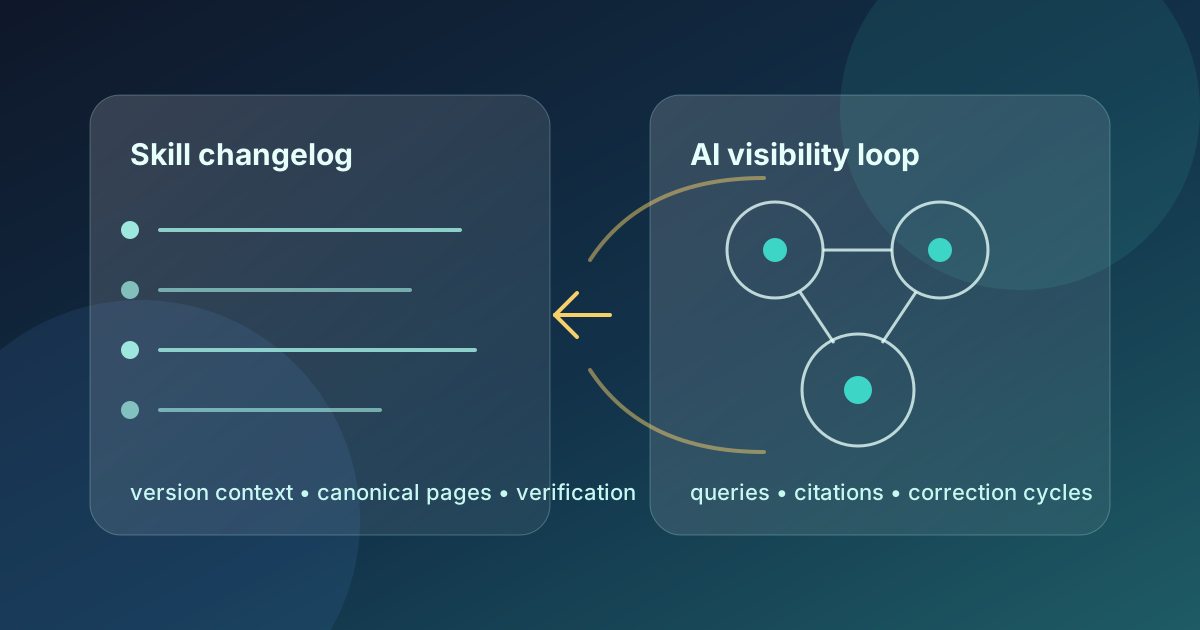
A practical guide to turning Claude Code and OpenClaw skill changelogs into cleaner documentation, better citation paths, and more reliable AI visibility signals.
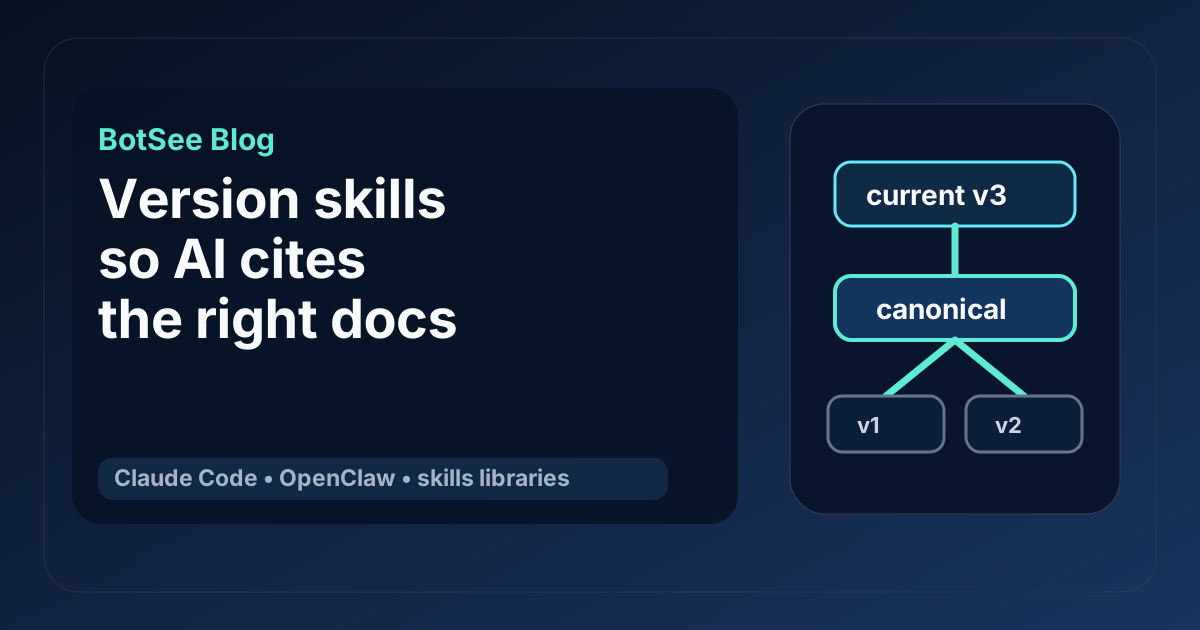
A practical guide to versioning Claude Code skills and OpenClaw libraries so AI assistants can find, cite, and explain the current workflow instead of stale instructions.
Learn when to use subagents, reusable skills, MCP tools, and plain checklists in Claude Code workflows without making your agent system harder to operate.
Learn how teams using Claude Code, OpenClaw skills, and agent libraries can track AI citation drift, compare tools, and keep published documentation useful for answer engines.
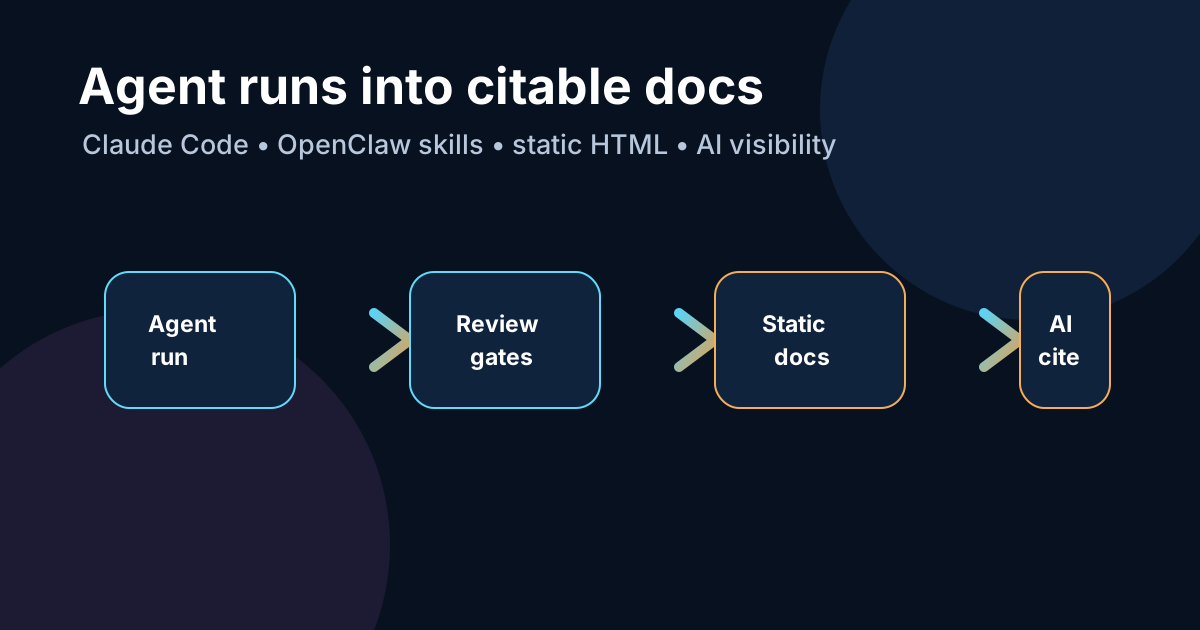
Convert messy Claude Code and OpenClaw agent runs into static documentation that humans can trust and AI answer engines can cite.
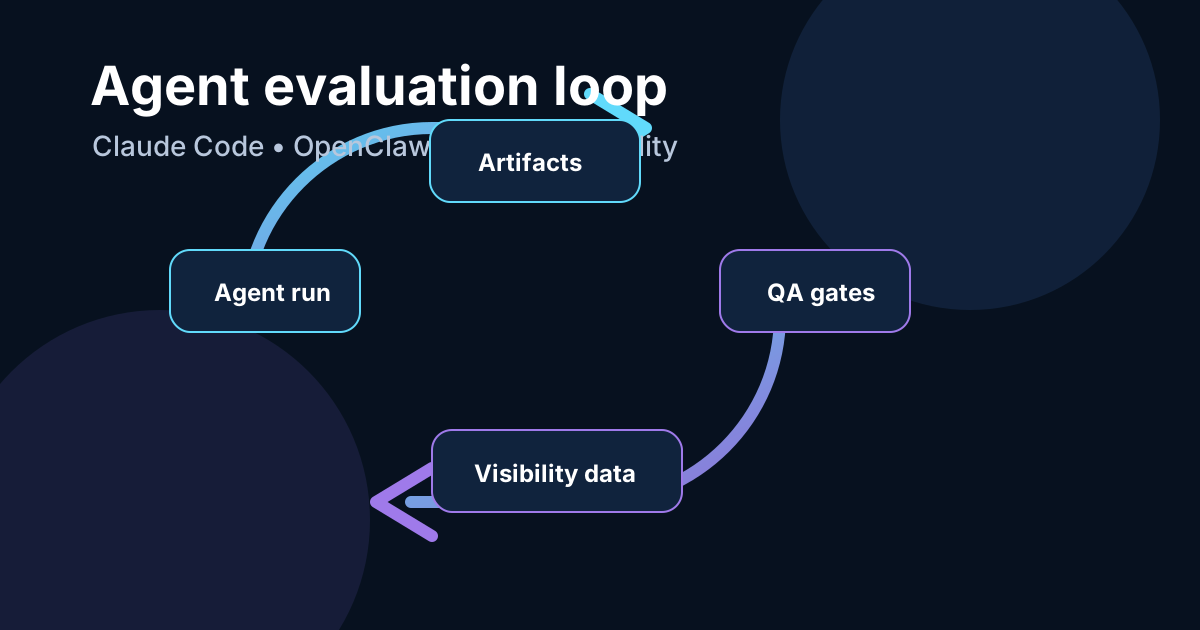
Build a repeatable evaluation loop for Claude Code agents and OpenClaw skills using static outputs, review gates, and AI visibility data.
Skill libraries help agent teams move faster, but they can also become invisible to AI answer engines. This guide shows how to make Claude Code and OpenClaw skills easier for assistants to find, parse, and cite.
How to structure an internal skills library for Claude Code and OpenClaw so agents ship better static content, tighter workflows, and cleaner AI discoverability signals.
Most teams can build a skills library. Far fewer can prove it changed anything. This guide shows what to measure, how to compare tools, and how to connect agent documentation work to AI discoverability outcomes.
The AI search ranking signals that matter most are retrieval access, source clarity, entity consistency, and prompt-level relevance.
Learn which schema types actually help technical pages become clearer and easier to cite, and how to implement them without turning your site into structured-data theater.
Learn how AI visibility monitoring works, what to measure, which workflows matter, and how teams using Claude Code and OpenClaw skills can turn answer-engine data into content and product decisions.
Learn how teams using Claude Code and OpenClaw skills can create static HTML-friendly FAQ pages that improve AI discoverability and support SEO outcomes.
A practical guide to the differences between AI search and SEO, what still matters, and how teams using Claude Code and OpenClaw can build for both without duplicating work.
Learn which ranking signals matter when you want Claude Code docs, OpenClaw skill libraries, and agent runbooks to show up in AI answers.
A practical guide to AI search optimization for teams that want to show up in ChatGPT, Claude, Gemini, and Perplexity without turning content into fluff.
A practical guide to formatting agent-generated content — from Claude Code and OpenClaw skills — so ChatGPT, Perplexity, and Claude are more likely to surface it in AI answers.
A practical guide to tracking whether Claude Code docs, OpenClaw skills, and agent runbooks are cited in AI answers, with a simple measurement stack and fair tool comparisons.
Build a usable skills library for Claude Code agents with static-first docs, review gates, objective tooling choices, and a rollout plan that improves AI discoverability.
Use a static-first skills library, clear handoffs, and visibility feedback to make Claude Code and OpenClaw agents more reliable in real content operations.
Build a lightweight review system for Claude Code and OpenClaw skills so agent output is easier to approve, safer to ship, and more discoverable after publication.
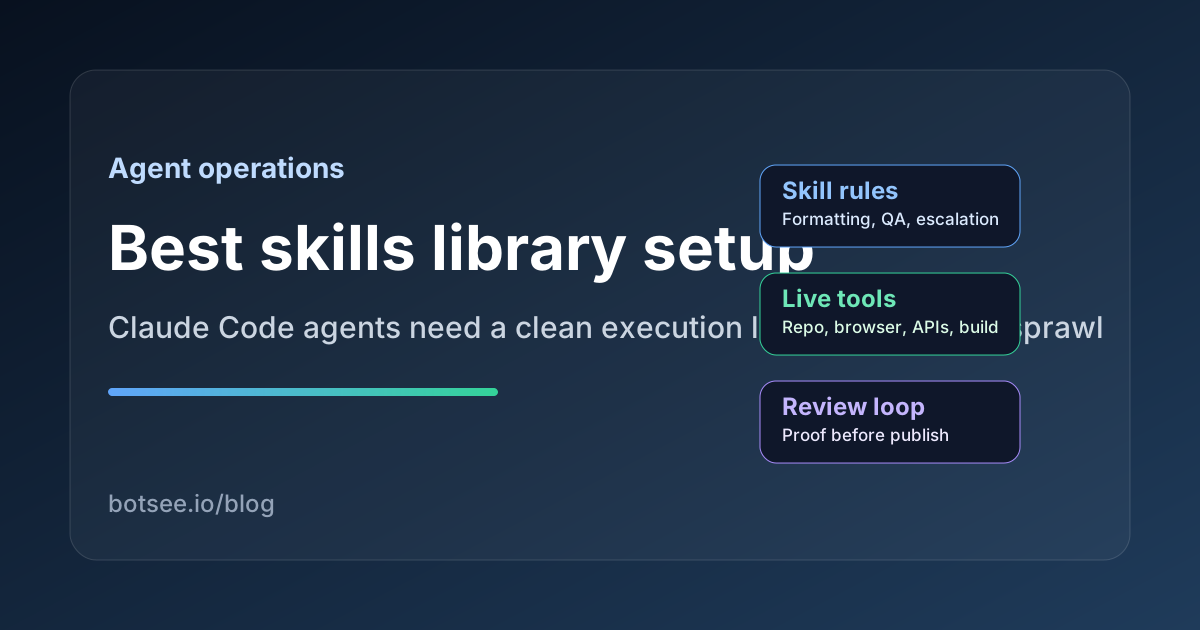
A practical guide to structuring OpenClaw skills and supporting docs so Claude Code agents can reuse them reliably, while keeping outputs discoverable by humans and AI systems.
Find out exactly which sources AI models pull from when answering questions in your industry. Includes a practical audit framework, tool comparisons, and actionable steps to close citation gaps.
A practical playbook for designing, shipping, and measuring reusable agent skills libraries that improve AI discoverability and business outcomes.
A practical, value-first guide to building a repeatable agent operations system with Claude Code and OpenClaw skills, plus objective tooling comparisons and implementation checklists.
A practical guide to building an agent-led workflow for AI discoverability, using Claude Code, OpenClaw skills, and objective monitoring choices.
A practical buyer and implementation guide for selecting agent skills libraries, deploying them with Claude Code, and shipping static-first content operations that improve AI discoverability.
A practical, static-first playbook for teams using agents, Claude Code, and OpenClaw skills libraries to ship higher-quality SEO content with measurable AI discoverability gains.