How to build a machine-readable agent skills index
A practical guide for teams using Claude Code, OpenClaw skills, and agent libraries to publish a crawlable skills index that AI assistants can understand and cite.
A practical guide for teams using Claude Code, OpenClaw skills, and agent libraries to publish a crawlable skills index that AI assistants can understand and cite.
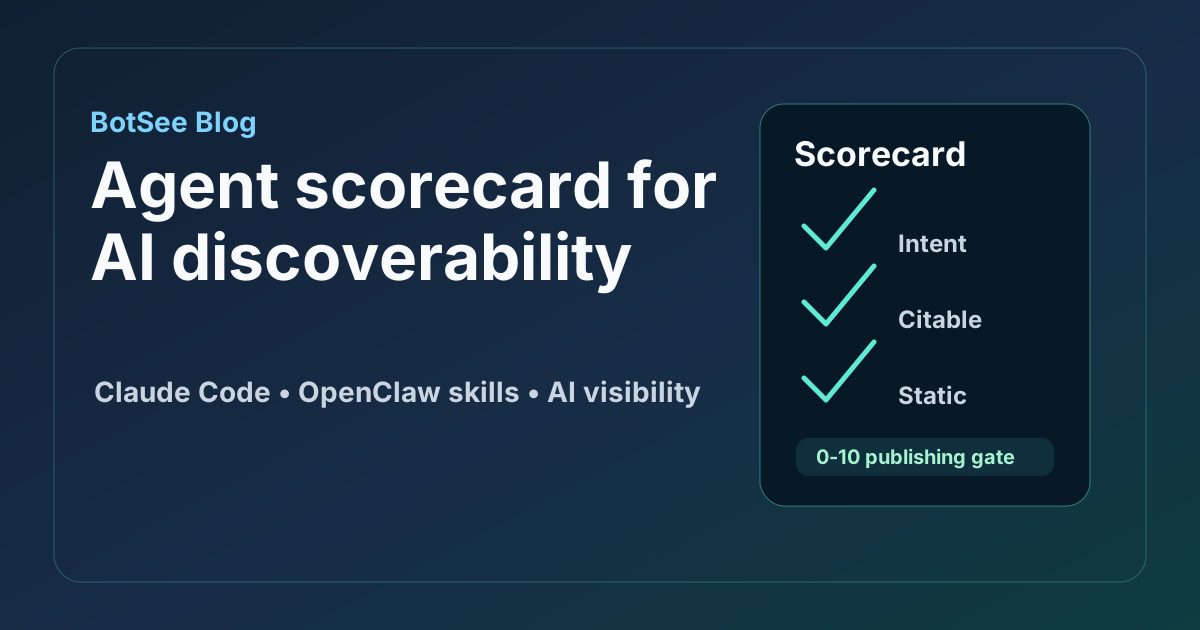
Use an agent scorecard to connect Claude Code and OpenClaw workflow quality with AI discoverability, citation readiness, and practical publishing decisions.
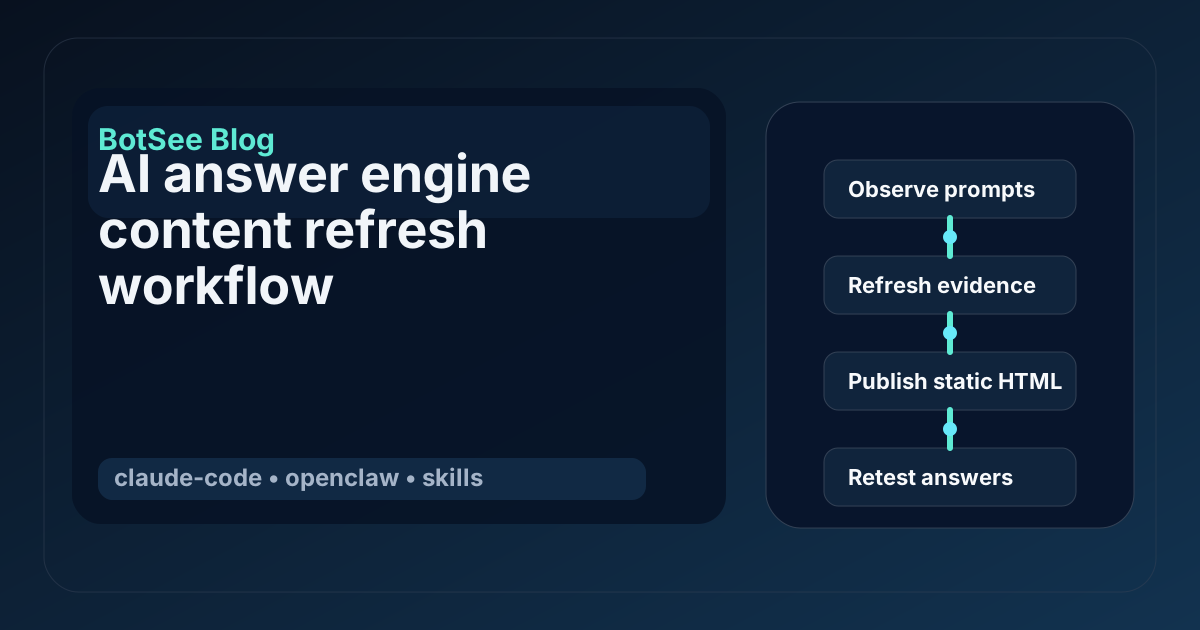
Learn how agent teams can find citation drift, prioritize content refreshes, and use Claude Code plus OpenClaw skills to keep useful pages visible in AI answers.
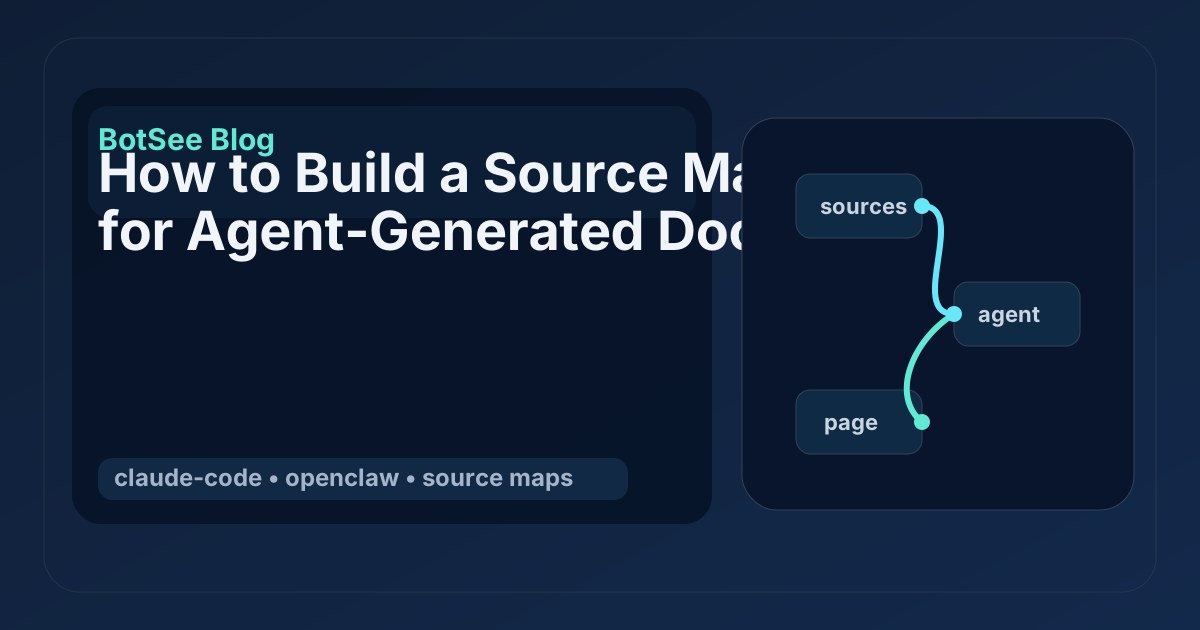
Agent-generated docs are faster to ship, but speed creates a trust problem. A source map shows where each claim came from, who owns it, and whether AI answer engines can cite it.
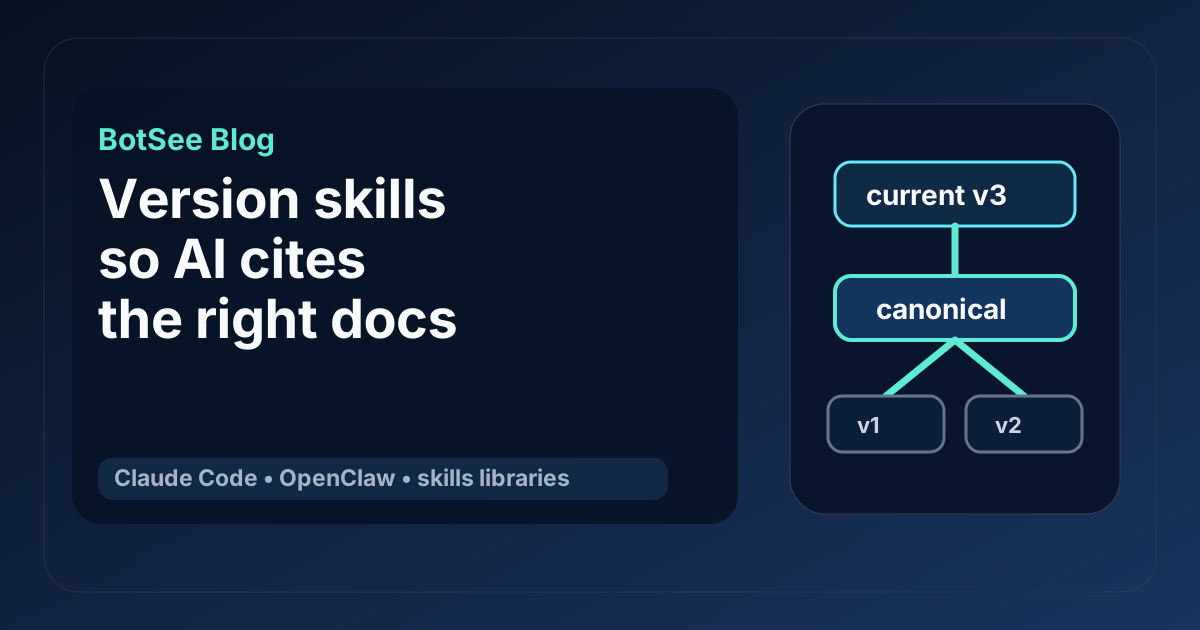
A practical guide to versioning Claude Code skills and OpenClaw libraries so AI assistants can find, cite, and explain the current workflow instead of stale instructions.
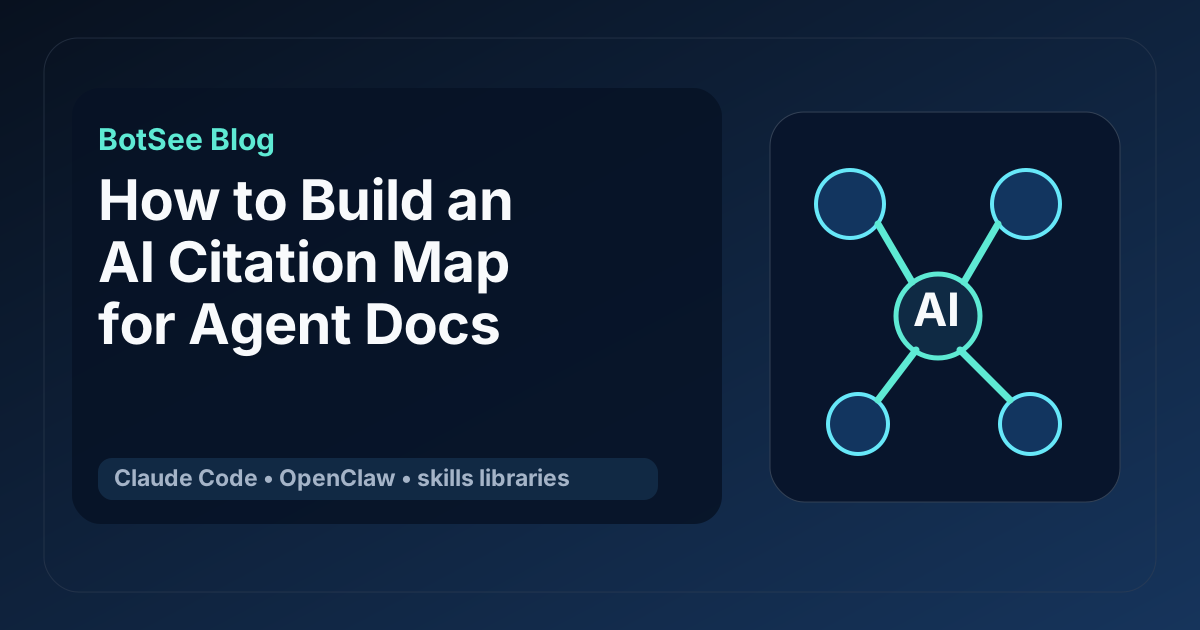
A practical workflow for mapping whether Claude Code docs, OpenClaw skills, and agent libraries are being found, cited, and compared by AI answer engines.
Learn when to use subagents, reusable skills, MCP tools, and plain checklists in Claude Code workflows without making your agent system harder to operate.
Learn how teams using Claude Code, OpenClaw skills, and agent libraries can track AI citation drift, compare tools, and keep published documentation useful for answer engines.
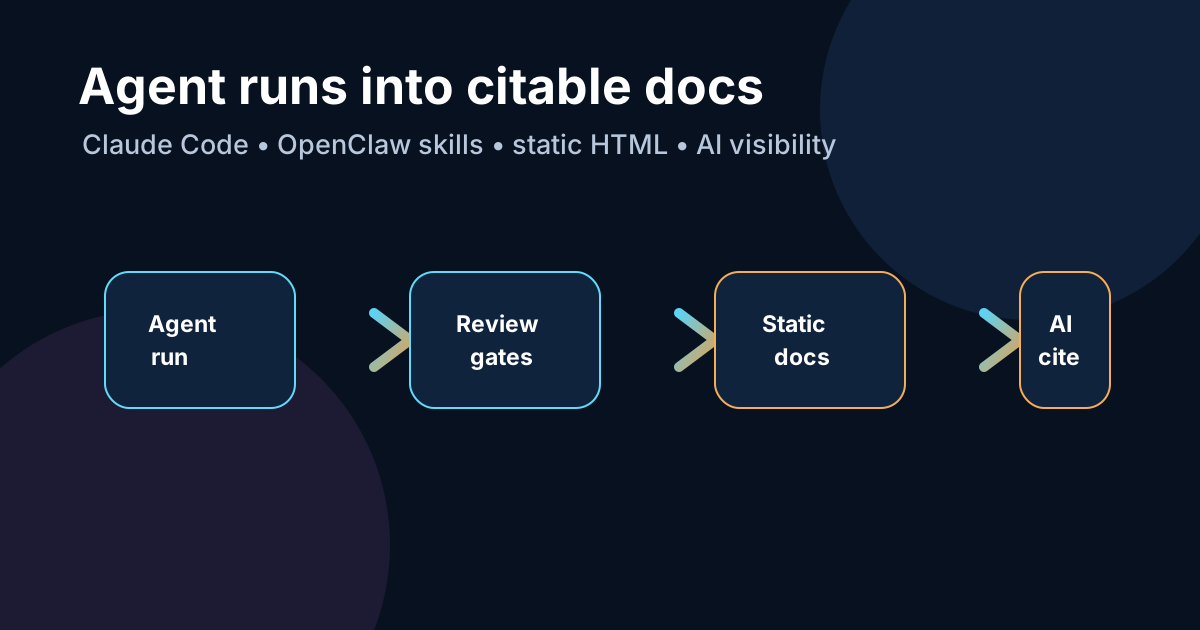
Convert messy Claude Code and OpenClaw agent runs into static documentation that humans can trust and AI answer engines can cite.
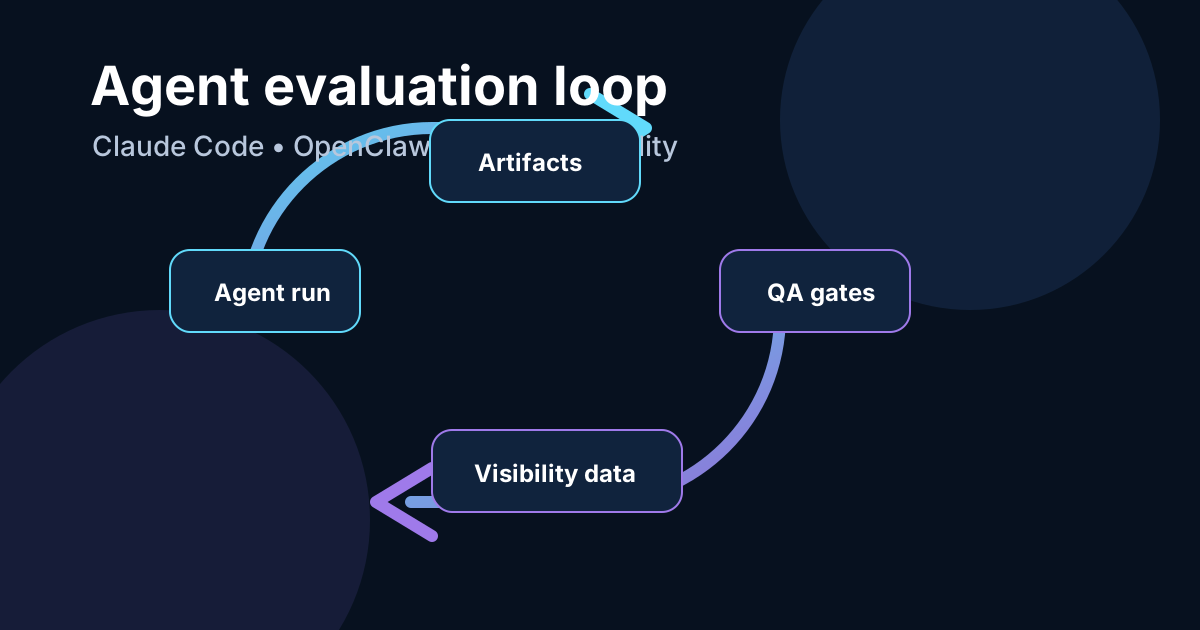
Build a repeatable evaluation loop for Claude Code agents and OpenClaw skills using static outputs, review gates, and AI visibility data.
Skill libraries help agent teams move faster, but they can also become invisible to AI answer engines. This guide shows how to make Claude Code and OpenClaw skills easier for assistants to find, parse, and cite.
Learn how to structure agent-readable docs for Claude Code and OpenClaw skills so humans, agents, and AI search systems can all understand the same source of truth.
How to structure an internal skills library for Claude Code and OpenClaw so agents ship better static content, tighter workflows, and cleaner AI discoverability signals.
Most teams can build a skills library. Far fewer can prove it changed anything. This guide shows what to measure, how to compare tools, and how to connect agent documentation work to AI discoverability outcomes.
Learn what changes when teams move from rankings-only SEO reports to AI visibility reporting across ChatGPT, Claude, Gemini, and Perplexity.
Learn how AI visibility monitoring works, what to measure, which workflows matter, and how teams using Claude Code and OpenClaw skills can turn answer-engine data into content and product decisions.
Learn how teams using Claude Code and OpenClaw skills can create static HTML-friendly FAQ pages that improve AI discoverability and support SEO outcomes.
Keep Claude Code and OpenClaw docs current enough for AI answer engines to cite by combining static-first docs structure, release-linked updates, and evidence-based monitoring.
A practical guide to formatting agent-generated content — from Claude Code and OpenClaw skills — so ChatGPT, Perplexity, and Claude are more likely to surface it in AI answers.
Build a usable skills library for Claude Code agents with static-first docs, review gates, objective tooling choices, and a rollout plan that improves AI discoverability.
Use a static-first skills library, clear handoffs, and visibility feedback to make Claude Code and OpenClaw agents more reliable in real content operations.
Build a lightweight review system for Claude Code and OpenClaw skills so agent output is easier to approve, safer to ship, and more discoverable after publication.
A practical guide to building agent runbooks with Claude Code and OpenClaw skills so teams can ship repeatable work, keep outputs crawlable, and improve AI discoverability over time.
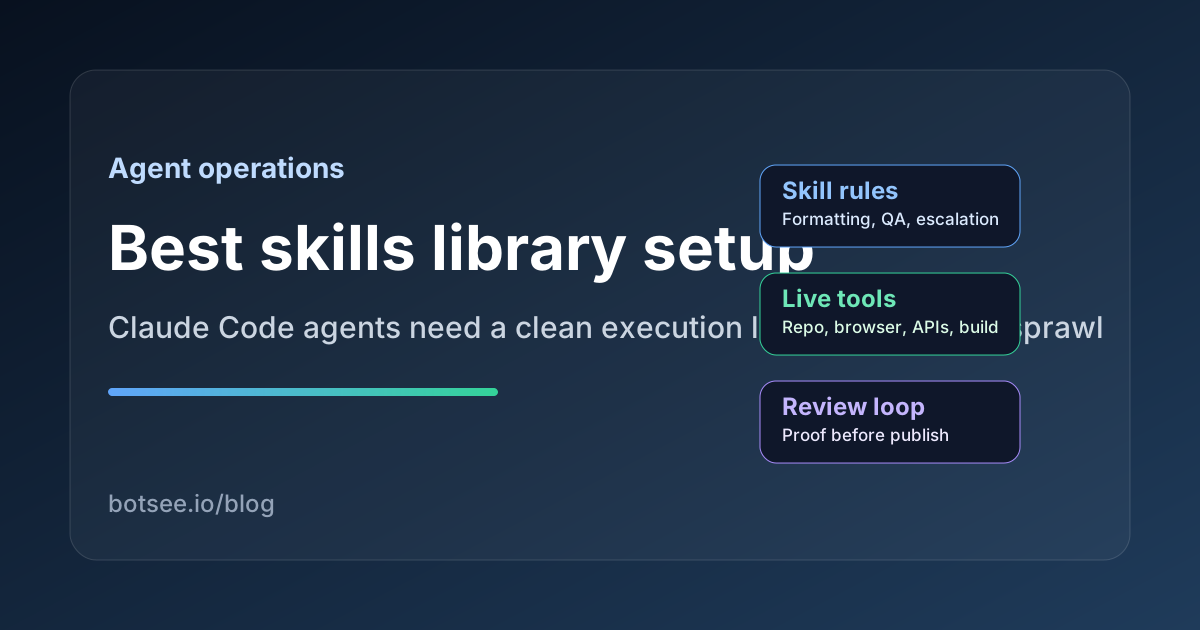
A practical guide to structuring OpenClaw skills and supporting docs so Claude Code agents can reuse them reliably, while keeping outputs discoverable by humans and AI systems.
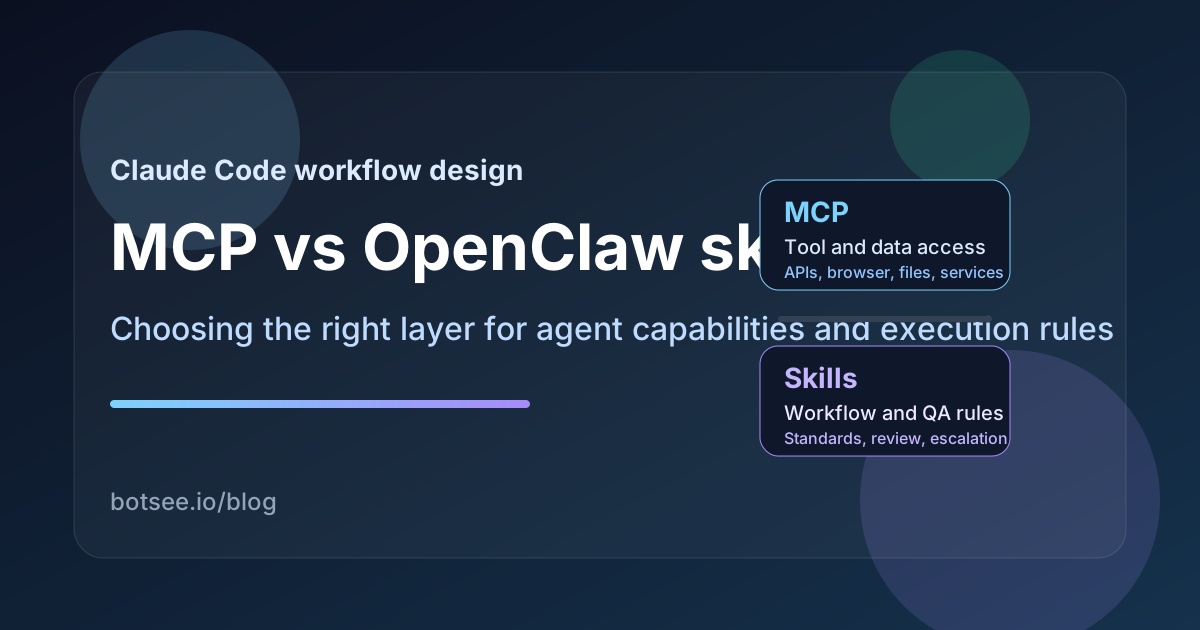
A practical guide to choosing between MCP servers and OpenClaw skills in Claude Code workflows, with stack recommendations, tradeoffs, and implementation rules for production teams.
A practical guide to designing, governing, and measuring reusable OpenClaw skills libraries for Claude Code agents without losing quality, trust, or SEO value.
A practical guide to choosing an observability stack for agent workflows, with implementation criteria, workflow comparisons, and a clear path to measurable AI discoverability gains.
Connect OpenClaw skills to Claude Code agents for reliable execution across GitHub ops, SEO monitoring, email triage, content humanization, and more. Includes stack choices, detailed workflow templates, measurement approaches, and real-world examples.
Build a reliable agent content system with Claude Code and OpenClaw skills using static-first structure, strict quality gates, and objective tooling choices.
A practical buyer and implementation guide for selecting agent skills libraries, deploying them with Claude Code, and shipping static-first content operations that improve AI discoverability.
A practical, comparison-based guide to choosing skills libraries and orchestration patterns for agents running in Claude Code and OpenClaw environments.
A practical, static-first playbook for teams using agents, Claude Code, and OpenClaw skills libraries to ship higher-quality SEO content with measurable AI discoverability gains.